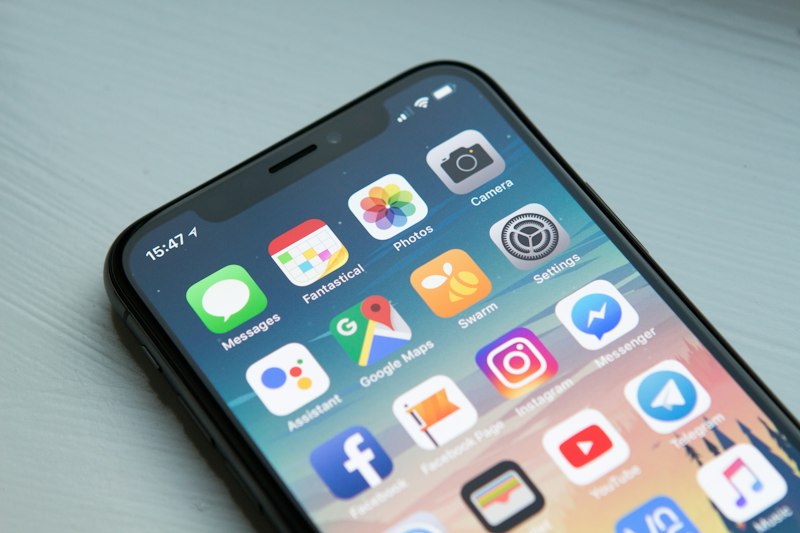
The Mobile-First Imperative
With over 60% of web traffic coming from mobile devices, mobile-first design isn't optional—it's essential for success.
What is Mobile-First Design?
Mobile-first means designing for the smallest screen first, then progressively enhancing for larger screens. This approach ensures core functionality works everywhere.
Why Mobile-First Matters
- User Behavior: Most users browse on mobile
- Google Ranking: Mobile-first indexing
- Performance: Forces focus on essentials
- Accessibility: Simpler interfaces benefit everyone
Core Principles
1. Content Priority
Limited screen space forces prioritization:
- Focus on essential content first
- Progressive disclosure for details
- Eliminate unnecessary elements
- Clear information hierarchy
2. Touch-Friendly Interface
- Target Size: Minimum 44x44px for touch targets
- Spacing: Adequate padding between elements
- Gestures: Swipe, pinch, tap interactions
- Thumb Zone: Place key actions within easy reach
3. Performance Optimization
Mobile users often have slower connections:
- Minimize HTTP requests
- Optimize images (WebP, lazy loading)
- Reduce JavaScript bundle size
- Enable browser caching
- Use CDN for static assets
Responsive Design Techniques
Fluid Grids
Use relative units instead of fixed pixels:
- Percentages for widths
- CSS Grid and Flexbox
- Max-width for containers
Flexible Images
- max-width: 100% for responsive images
- srcset for different resolutions
- picture element for art direction
- SVG for icons and logos
Media Queries
Adapt layout at breakpoints:
- Mobile: 320px - 480px
- Tablet: 481px - 768px
- Desktop: 769px+
Mobile Navigation Patterns
- Hamburger Menu: Space-saving, familiar
- Bottom Tab Bar: Thumb-friendly navigation
- Priority+: Show important items, hide rest
- Full-Screen Overlay: For complex menus
Typography for Mobile
- Font Size: Minimum 16px for body text
- Line Height: 1.5-1.6 for readability
- Line Length: 50-75 characters optimal
- Contrast: Ensure readability in sunlight
Forms on Mobile
Make form filling easy:
- Large input fields
- Appropriate keyboard types
- Autofill and autocomplete
- Clear error messages
- Minimal required fields
- Progress indicators for long forms
Testing on Real Devices
Emulators aren't enough:
- Test on actual devices
- Various screen sizes
- Different operating systems
- Slow network conditions
- Touch interactions
Progressive Enhancement
Build up from a solid foundation:
- HTML: Semantic, accessible content
- CSS: Visual enhancements
- JavaScript: Interactive features
Mobile-Specific Features
- Click-to-Call: tel: links for phone numbers
- Geolocation: Location-based services
- Camera Access: Photo uploads
- Push Notifications: Re-engagement
- Offline Support: Service workers
"Mobile is not the future, it is the now. Meet your customers in the environment of their choice, not where it's convenient for you." - Cyndie Shaffstall
Common Mistakes to Avoid
- Tiny text and buttons
- Horizontal scrolling
- Unoptimized images
- Flash or unsupported plugins
- Intrusive popups
- Slow loading times