The Power of Motion in Marketing
Motion graphics and animation capture attention, explain complex ideas, and make content more engaging and memorable.
Why Use Animation in Marketing?
- Attention-Grabbing: Movement catches the eye
- Explain Complex Concepts: Visualize abstract ideas
- Emotional Impact: Create mood and feeling
- Brand Personality: Express unique character
- Versatility: Works across all platforms
Types of Animation
2D Animation
- Character animation
- Explainer videos
- Infographic animations
- Logo animations
3D Animation
- Product visualizations
- Architectural walkthroughs
- Complex mechanisms
- Photorealistic renders
Motion Graphics
- Text animations
- Data visualizations
- Lower thirds and titles
- Transitions and effects
Whiteboard Animation
- Hand-drawn style
- Educational content
- Step-by-step explanations
- Engaging storytelling
12 Principles of Animation
Disney's classic principles still apply:
- Squash and Stretch: Gives weight and flexibility
- Anticipation: Prepares for action
- Staging: Directs attention
- Straight Ahead/Pose to Pose: Animation methods
- Follow Through: Parts continue moving
- Slow In/Slow Out: Easing for natural movement
- Arcs: Natural motion paths
- Secondary Action: Supporting movements
- Timing: Speed creates personality
- Exaggeration: Emphasize key moments
- Solid Drawing: Understand form and weight
- Appeal: Create engaging characters
Software Tools
Industry Standard
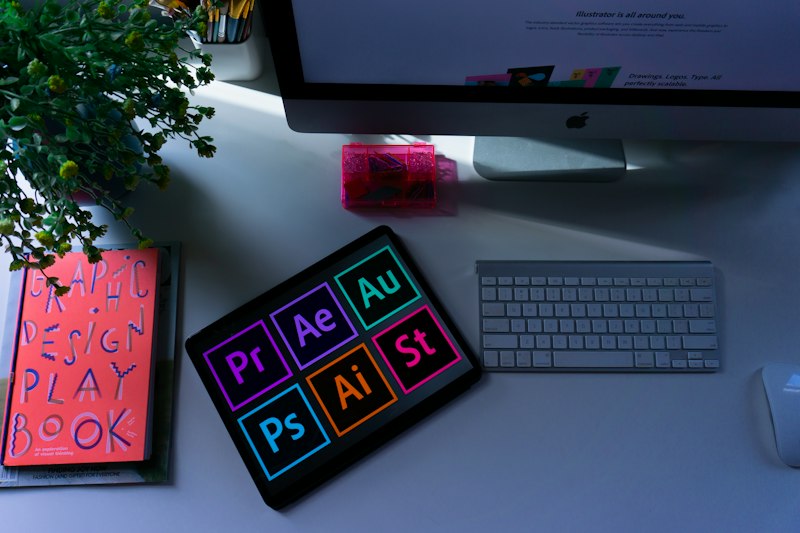
- After Effects: Motion graphics and compositing
- Cinema 4D: 3D animation and rendering
- Blender: Free 3D creation suite
- Adobe Animate: 2D character animation
Beginner-Friendly
- Canva: Simple animations
- Vyond: Animated explainers
- Animaker: DIY animation platform
- Lottie: Web animations
Creating Explainer Videos
Script Structure
- Hook: Grab attention (5 seconds)
- Problem: Identify pain point
- Solution: Introduce your product
- How It Works: Explain features
- Benefits: Show value
- Call-to-Action: Next steps
Visual Style
- Match brand identity
- Simple, clear illustrations
- Consistent color palette
- Readable typography
- Smooth transitions
Logo Animation
Bring your brand mark to life:
- Keep it short (2-5 seconds)
- Reflect brand personality
- Use brand colors
- Add sound design
- Create variations (intro, outro, loop)
Social Media Animations
Platform Specifications
- Instagram: Square (1:1) or vertical (9:16)
- Facebook: Landscape (16:9) or square
- TikTok: Vertical (9:16)
- LinkedIn: Landscape or square
Best Practices
- Hook in first 3 seconds
- Add captions (most watch muted)
- Keep under 60 seconds
- Clear branding
- Strong call-to-action
Data Visualization
Animate charts and graphs for impact:
- Build charts progressively
- Highlight key data points
- Use color to emphasize
- Smooth transitions between states
- Add context with annotations
Text Animation Techniques
- Fade In/Out: Simple, elegant
- Slide: Directional movement
- Scale: Grow or shrink
- Typewriter: Letter-by-letter reveal
- Glitch: Modern, edgy effect
- Kinetic Typography: Expressive text movement
Sound Design
Audio enhances animation:
- Sync sound effects to movements
- Background music sets mood
- Voiceover for narration
- Whooshes and impacts
- Subtle ambient sounds
Rendering & Export
- Format: MP4 for web, MOV for editing
- Codec: H.264 for compatibility
- Resolution: 1080p minimum, 4K for premium
- Frame Rate: 24fps cinematic, 30fps standard
- Bitrate: Balance quality and file size
"Animation can explain whatever the mind of man can conceive." - Walt Disney
Trends in Motion Design
- 3D elements in 2D compositions
- Liquid and fluid animations
- Minimalist, clean aesthetics
- Bold, vibrant colors
- Morphing transitions
- Isometric illustrations